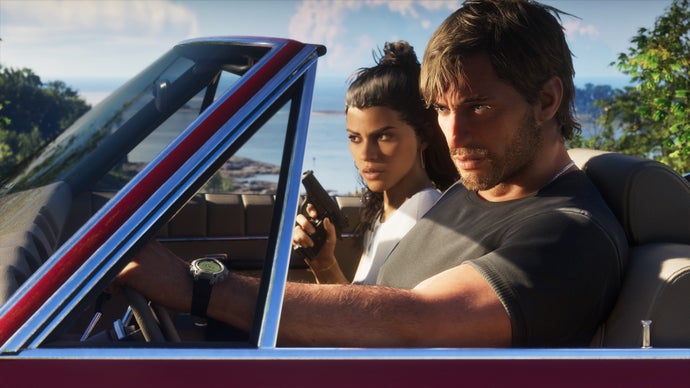



In a surprising move that demonstrates a nuanced approach to labor disputes in the gaming industry, former Rockstar Games employees who were terminated last year have explicitly asked supporters not to boycott the highly anticipated Grand Theft Auto 6. Instead, the dismissed workers are encouraging fans to help fund their ongoing legal battle against the studio by purchasing specially-designed union merchandise. This approach marks a departure from traditional labor action strategies and reflects the complex relationship between game developers, their employers, and the passionate gaming community that eagerly awaits new releases.
The terminated employees, who are currently engaged in legal proceedings against Rockstar Games over the circumstances of their dismissals, have taken a measured stance that prioritizes sustainable support over potentially damaging boycott calls. By directing supporters toward merchandise purchases, the workers aim to build a war chest for legal fees while avoiding collateral damage to their former colleagues who remain employed at the studio and have worked tirelessly on GTA 6’s development.
The Context Behind Rockstar’s Labor Disputes
Rockstar Games, the studio behind some of the most commercially successful video game franchises in history, has faced increasing scrutiny over its workplace practices in recent years. The company, owned by Take-Two Interactive, made headlines in 2018 when reports emerged of extensive “crunch” periods during the development of Red Dead Redemption 2, with some employees reportedly working 100-hour weeks. These revelations sparked industry-wide conversations about labor conditions in game development and contributed to growing unionization efforts across the gaming sector.
The firings that led to the current legal battle occurred against a backdrop of significant organizational changes at Rockstar. The company has been consolidating operations and restructuring teams as it focuses resources on completing GTA 6, which is expected to be one of the largest entertainment releases in history. Industry analysts estimate that the game could generate billions of dollars in revenue within its first week of release, making the stakes extraordinarily high for all parties involved.
Unionization Movement Gains Momentum in Gaming
The approach taken by these former Rockstar employees reflects broader trends in the gaming industry’s labor movement. Over the past several years, workers at major studios including Activision Blizzard, Sega of America, and ZeniMax Media have successfully organized unions, marking a significant shift in an industry historically resistant to collective bargaining. The Communication Workers of America and other unions have been actively supporting these efforts, providing organizational resources and legal expertise to gaming workers seeking better protections.
The decision to sell merchandise rather than call for a boycott demonstrates strategic thinking that labor organizers have increasingly adopted. Boycotts of major game releases often prove difficult to sustain and can inadvertently harm rank-and-file developers whose bonuses and job security depend on commercial success. By offering an alternative form of support, the former Rockstar workers acknowledge the complicated dynamics at play while still building resources for their legal challenge.
What This Means for GTA 6 and the Industry
Grand Theft Auto 6, scheduled for release in 2025, represents one of the most anticipated video game launches in the medium’s history. The previous installment, GTA 5, released in 2013, has sold over 200 million copies and generated more than $8 billion in revenue, making it one of the most financially successful entertainment products ever created. Any controversy surrounding the new game’s development carries significant implications for both Rockstar and the broader industry’s approach to labor relations.
The former employees’ decision to take the high road may actually prove more effective in generating long-term support for their cause. By demonstrating consideration for their former colleagues and the gaming community’s excitement for GTA 6, they position themselves as reasonable actors seeking justice rather than disgruntled former workers attempting to damage their previous employer. This approach could garner sympathy from both industry observers and the gaming public, potentially putting additional pressure on Rockstar to address the underlying issues that led to the terminations and subsequent legal action.
Expert Opinion: This case could establish important precedents for how labor disputes are handled in the gaming industry going forward. The merchandise-based fundraising approach represents an evolution in worker organizing tactics that acknowledges the interconnected nature of modern entertainment production. If successful, we may see similar strategies adopted by workers at other major studios, fundamentally changing how labor actions are conducted in the gaming sector while maintaining public goodwill.