
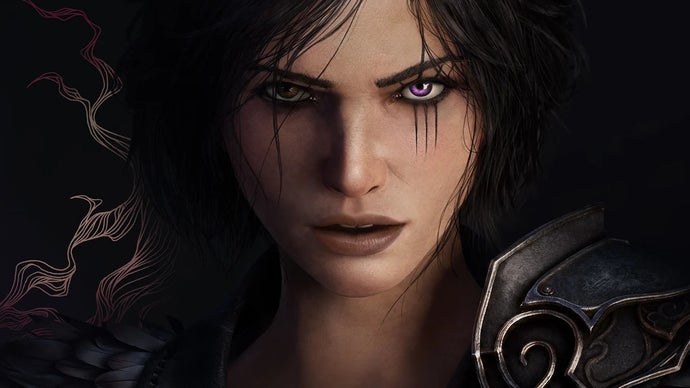
This week brought our first substantial glimpse at Warlock: Dungeons & Dragons, an ambitious new action RPG from Wizards of the Coast that blends the beloved tabletop franchise with open-world gameplay mechanics. The game follows a battle-hardened weapon master on a quest through a lawless pocket dimension, searching for someone dear to her. However, the real appeal lies not in this narrative framework but in the tantalizing promise of discovering bizarre spells and creating spectacular chaos across an expansive magical landscape. For fans of both D&D lore and sandbox gaming, this could represent a fascinating new direction for the franchise.
The development team behind Warlock carries impressive credentials that should excite action game enthusiasts. Invoke Studios has assembled a roster of veterans who previously worked on some of Ubisoft’s most successful franchises, including Far Cry, Watch Dogs, and Splinter Cell. This pedigree suggests a team well-versed in creating compelling open-world experiences with satisfying gameplay loops. The Far Cry influence is particularly evident in the game’s approach to player freedom and emergent gameplay possibilities, where systems interact in unexpected and entertaining ways.
A Spell-Collector’s Paradise
At its core, Warlock appears designed around the joy of discovery and experimentation. The open world promises to be filled with charms, cantrips, and conjurations waiting to be gathered and combined in creative ways. This spell-collecting mechanic could prove to be the game’s defining feature, encouraging players to explore every corner of the pocket dimension in search of new magical abilities. The developers at Invoke have emphasized their commitment to making the experience as open-ended as possible, giving players genuine freedom in how they approach challenges and combat encounters.
The Dungeons & Dragons license brings with it decades of established lore and magical tradition to draw from. Since its creation in 1974 by Gary Gygax and Dave Arneson, D&D has accumulated an enormous catalog of spells, creatures, and magical artifacts that could serve as inspiration for Warlock’s content. From classic evocations like Fireball and Lightning Bolt to more esoteric options like Mordenkainen’s Magnificent Mansion, the source material offers virtually unlimited possibilities for the development team to explore and adapt for an action-oriented format.
The Evolution of D&D Video Games
Warlock represents the latest chapter in a long history of Dungeons & Dragons video game adaptations, though it appears to be charting a distinctly different course than its predecessors. Classic titles like Baldur’s Gate and Neverwinter Nights focused on faithfully translating the tabletop experience to digital form, complete with pause-and-play tactical combat and strict adherence to D&D rules systems. More recent entries like Baldur’s Gate 3 from Larian Studios achieved massive commercial and critical success with a similar approach. Warlock, by contrast, seems to prioritize action and accessibility while using D&D as a thematic foundation rather than a mechanical blueprint.
The decision to create an open-world action game within the D&D framework reflects broader trends in the gaming industry, where players increasingly expect freedom and exploration in their experiences. Wizards of the Coast has shown willingness to experiment with the D&D brand across different genres, understanding that not every adaptation needs to be a strict tabletop simulation. This flexibility could help introduce the franchise to new audiences who might find traditional RPG mechanics intimidating but are drawn to the fantasy setting and magical possibilities that D&D represents.
What Lies Ahead for Warlock
While many details about Warlock remain under wraps, the initial reveal has generated considerable interest among both D&D enthusiasts and action game fans. The combination of proven development talent, a rich fantasy license, and the promise of chaotic spell-driven gameplay creates an intriguing foundation. Whether Invoke can deliver on the potential of making players feel like true magical experimenters in a living world remains to be seen, but the early signs suggest they understand what makes open-world games compelling. As development continues, fans will be watching closely to see how the team balances narrative objectives with the sandbox freedom that appears central to Warlock’s appeal.
Expert Opinion: The marriage of Far Cry’s open-world design philosophy with D&D’s vast magical catalog could prove to be an inspired combination if executed properly. The key to Warlock’s success will likely hinge on whether the spell system offers genuine depth and emergent possibilities, rather than simply serving as cosmetic variations on standard combat mechanics. Given the development team’s track record with systemic game design, there’s reason for cautious optimism that this could become a standout title in both the D&D gaming catalog and the broader action-RPG genre.