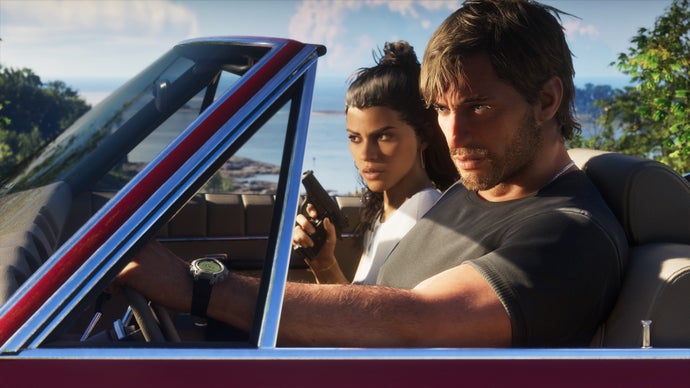



Sundays have long been associated with relaxation, reflection, and catching up on the entertainment we’ve neglected during busy weekdays. For many, this means diving into the vast ocean of prestige television that defines our current golden age of streaming content. The ritual of Sunday reading and viewing has become something of a sacred tradition, particularly for those who appreciate the intersection of gaming culture, media criticism, and thoughtful commentary on the entertainment landscape that surrounds us.
This particular Sunday finds many viewers embarking on journeys through critically acclaimed crime dramas, with the British phenomenon Peaky Blinders standing out as a prime example of television that demands attention. Set in the aftermath of World War One, the series captures a moment in history when returning soldiers faced the impossible task of reintegrating into civilian society while carrying the invisible wounds of trench warfare. The show’s depiction of post-traumatic stress disorder, though the term wasn’t in use during that era, resonates powerfully with modern audiences who have become more aware of mental health struggles facing veterans.
The Cultural Impact of Post-War Britain on Screen
The Shelby family’s return to Birmingham serves as the dramatic foundation for what would become one of the most watched British dramas of the past decade. Created by Steven Knight, Peaky Blinders premiered in 2013 and ran for six seasons, accumulating a devoted global fanbase and critical acclaim. The series takes its name from an actual street gang that operated in Birmingham during the late 19th and early 20th centuries, though historians note that the real Peaky Blinders predated the show’s setting by several decades. The legend of razor blades sewn into flat caps, while dramatically compelling, remains historically disputed among scholars.
The appeal of such period crime dramas lies in their ability to blend historical authenticity with compelling character studies. Tommy Shelby, portrayed by Cillian Murphy in a career-defining performance, embodies the complex trauma of an entire generation. The First World War fundamentally altered British society, leaving millions of men psychologically scarred and struggling to find meaning in a world that seemed to have moved on without them. The trenches of France and Belgium had forged bonds between men while simultaneously breaking something essential within them.
The Rise of Prestige Television and Binge Culture
The phenomenon of working through extensive television series has become a defining characteristic of modern entertainment consumption. Streaming platforms have transformed how audiences engage with narrative content, turning the viewing of shows like Peaky Blinders into marathon experiences rather than weekly appointments. This shift has created what some cultural critics call “the never-ending odyssey” of content consumption, where viewers perpetually find themselves seasons behind on critically acclaimed series while new shows continuously compete for their attention.
The crime drama genre, in particular, has experienced a renaissance in the streaming era. From The Sopranos to Breaking Bad, from The Wire to Peaky Blinders, these series share common DNA while offering distinct perspectives on criminality, masculinity, and society. British productions have carved out their own niche within this landscape, offering grittier aesthetics and different class dynamics than their American counterparts. The industrial setting of Birmingham, with its factories and smoky streets, provides a stark contrast to the sun-drenched settings of many American crime narratives.
Looking Ahead: The Future of Long-Form Storytelling
As audiences continue navigating their personal queues of must-watch television, the communal experience of discovering these series at one’s own pace has replaced the synchronized viewing of broadcast era. The spoiler has become the modern television viewer’s greatest enemy, with fans vigilantly protecting their unspoiled experience of narrative surprises. This new etiquette around discussing television reflects how seriously contemporary audiences take their entertainment investments, treating major plot revelations with the gravity once reserved for state secrets.
The enduring appeal of shows like Peaky Blinders demonstrates that quality storytelling, strong performances, and atmospheric direction can capture audiences regardless of when they discover a series. For those just beginning their journey with the Shelby family, six seasons of intrigue, violence, and drama await, promising many more Sundays of immersive viewing ahead.
Expert Opinion: The continued popularity of period crime dramas reflects a broader cultural fascination with historical moments of social upheaval and transformation. As streaming platforms invest increasingly in prestige content, we can expect more ambitious productions that blend historical authenticity with contemporary storytelling sensibilities, potentially exploring underrepresented eras and perspectives in the crime genre.